
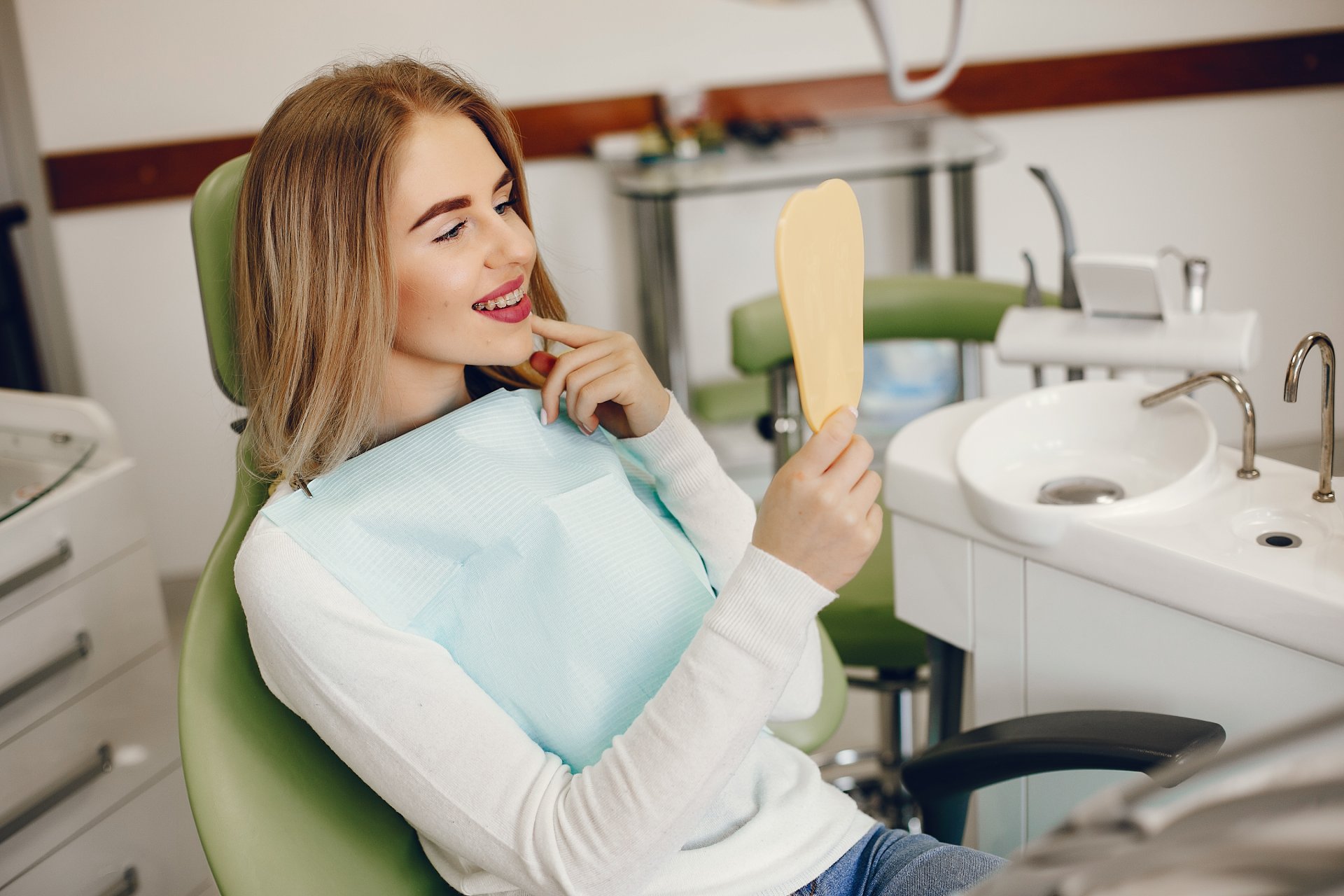
Is It Ever Too Late to Straighten Your Teeth?
No, it’s not too late to straighten your teeth. Adults of any age can achieve a healthier, more aligned smile as long as their gums and supporting bone are in good condition. A significant portion of orthodontic patients today are adults, proof that straighter teeth aren’t just for teenagers. Maybe you want to address cosmetic concerns, correct bite issues, or protect your long-term oral health. Adult orthodontic treatment uses the same proven biological principles that work for kids and teens, and practices across the North Shore, including Eggemeyer & Graham Orthodontics, see adult patients every day who decide it’s finally their turn.
How Adult Orthodontic Treatment Works
Adult orthodontic treatment follows three main phases: evaluation, active alignment, and retention. Each phase builds on the last, with your orthodontist guiding the process from start to finish.
Your treatment starts with a free consult. During this visit, our board-certified orthodontists examine your teeth, take digital scans, and review X-rays to map your bite and identify alignment concerns. From there, a custom treatment plan is designed around your specific goals, whether that’s closing gaps, correcting crowding, or improving how your teeth come together.
Braces or Invisalign then apply gentle, controlled pressure to shift your teeth into their ideal positions. This happens gradually, with routine check-ins every six to ten weeks to track progress and make adjustments as needed.
Once active treatment wraps up, retainers become your new best friend. Wearing them as directed keeps your results stable for years to come. The process is straightforward, and our team guides you through every step at our North Shore practice.
Benefits of Straightening Your Teeth as an Adult
Investing in orthodontic treatment as an adult pays off in more ways than you’d expect:
- A more confident smile. Many adults say their improved appearance gives them a boost in social and professional settings.
- Easier oral hygiene. Straight teeth are simpler to brush and floss, which cuts your risk of cavities and gum disease.
- Better bite function. Correcting misalignment can ease jaw strain, reduce headaches, and prevent uneven tooth wear over time.
- Clearer speech. For some adults, alignment issues affect pronunciation, and treatment can help.
- Long-term tooth retention. Properly aligned teeth experience less stress, which supports their health for decades.
Patients who finish orthodontic treatment often report improved self-esteem and better day-to-day oral hygiene habits. It’s not just cosmetic, it’s a meaningful investment in your overall health.
Braces vs. Invisalign for Adults: Which Is Right for You?
Choosing between braces and Invisalign depends on your case complexity, lifestyle, and personal preferences. Here’s how they compare:
| Feature | Traditional Metal Braces | Ceramic Braces | Invisalign |
|---|---|---|---|
| Appearance | Visible metal brackets | Tooth-colored, more discreet | Nearly invisible |
| Best For | Complex cases, severe misalignment | Moderate cases with aesthetic concerns | Mild to moderate alignment issues |
| Removability | Fixed to teeth | Fixed to teeth | Removable for eating and brushing |
| Treatment Time | 12–24 months typical | 12–24 months typical | 6–18 months typical |
| Food Restrictions | Yes, avoid hard, sticky foods | Yes, avoid hard, sticky foods | None, remove aligners to eat |
| Hygiene | Requires careful brushing around brackets | Requires careful brushing around brackets | Easy, brush normally after removing aligners |
Our orthodontists will help match the right option to your case. Some adults prefer the “set it and forget it” approach of braces, while others like the flexibility Invisalign offers for work presentations or special events.
What Affects the Cost of Adult Orthodontic Treatment?
Adult orthodontic treatment cost depends on case complexity, treatment type, length of care, and insurance coverage. Several factors influence what you’ll pay:
- Case complexity. Mild crowding typically costs less than correcting a severe overbite or underbite.
- Treatment type. Metal braces are usually the most affordable option, while Invisalign and ceramic braces may cost more.
- Treatment length. Longer treatment with more appointments increases the overall investment.
- Insurance coverage. Some dental plans include adult orthodontic benefits, so check your policy for details.
- Payment options. Many North Shore practices offer flexible payment options to make treatment more accessible.
Don’t let cost concerns stop you from exploring your options. A free consult can give you a clear picture of what to expect for your specific situation.
Are You a Candidate for Adult Orthodontics?
Most adults with healthy teeth and gums are good candidates for orthodontic treatment. Here’s what your orthodontist will evaluate:
- Gum and bone health. Your teeth need solid support to move safely. Active gum disease must be treated before starting.
- Existing dental work. Crowns, implants, or bridges don’t disqualify you, but they may influence your treatment plan.
- Jaw concerns. Patients with bruxism (teeth grinding) or TMJ issues may benefit from an integrated plan that addresses these alongside alignment.
- Overall oral health. Cavities or other dental issues should be resolved first.
The best way to know for certain? Schedule a free consult with a board-certified orthodontist. Look for providers who hold the Diplomate of the American Board of Orthodontics designation, the highest voluntary credential in the specialty. Both doctors at Eggemeyer & Graham Orthodontics in the North Shore community hold this credential, with experience treating adults of all ages and case types.
Frequently Asked Questions About Adult Orthodontics
Is there an age limit for braces?
There’s no upper age limit for orthodontic treatment. Patients in their 50s, 60s, and beyond successfully straighten their teeth every day. The key factor isn’t age, it’s the health of your gums and bone.
How long does adult treatment take?
Treatment usually takes 6 to 24 months, depending on your case complexity. Mild crowding may resolve in under a year, while more involved bite corrections take longer.
Will braces hurt as an adult?
You’ll notice mild soreness after adjustments, but it’s manageable and usually fades within a few days. Over-the-counter pain relievers and soft foods help during adjustment periods.
Can I get Invisalign if I had braces as a teen?
Yes. Relapse, meaning teeth shifting after earlier treatment, is common and very treatable. Many adults use Invisalign to correct movement that occurred after they stopped wearing their retainers years ago.
Does insurance cover adult orthodontics?
Some dental plans include orthodontic benefits for adults, though coverage varies widely. Contact your insurance provider to understand your specific benefits before your free consult. Practices like Eggemeyer & Graham Orthodontics can also help you review what your plan offers during your first visit.
Will treatment affect my work or social life?
Modern options are designed to fit adult lifestyles. Invisalign is nearly invisible, and even traditional braces are smaller and more comfortable than they used to be. Most adults find treatment has minimal impact on their daily routines, whether they live in the North Shore community or beyond.
Ready to explore your options? The team at Eggemeyer & Graham Orthodontics welcomes patients at every stage of life across the North Shore. With advanced technology, flexible payment options, and care designed around you, you’ll receive expert guidance from board-certified orthodontists. Request your free consult today and start your journey towards a confident smile.