
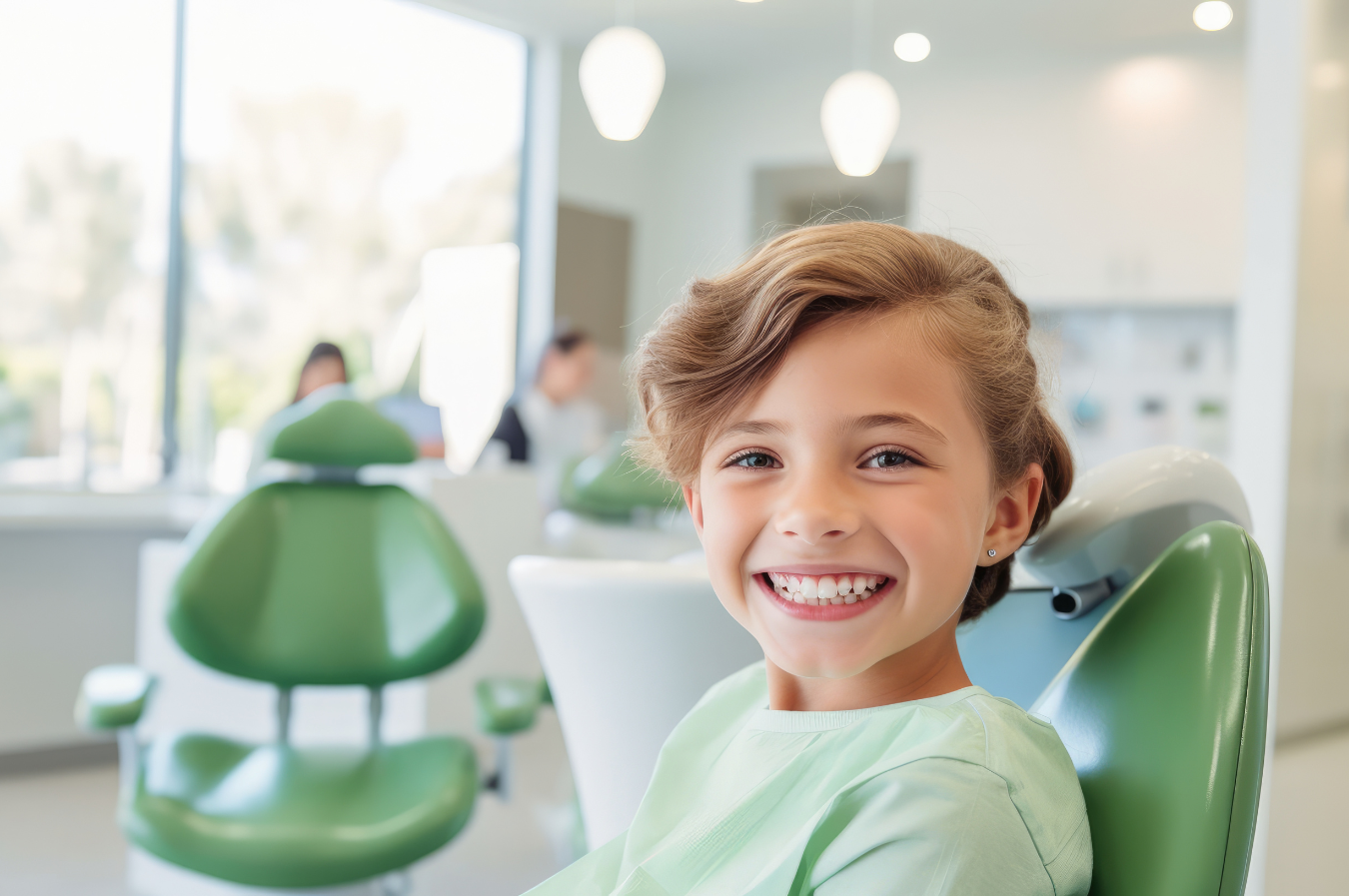
Understanding when your child might need braces can make a big difference in their oral health and overall development. While every child’s smile is unique, there are common signs that may indicate the need for orthodontic treatment — many of which are easier to address during childhood, when the teeth and jaw are still growing.
If you’re a parent in Wilmette, IL wondering whether your child might benefit from braces, here are the key indicators to watch for.
Age 7: The Recommended Time for a First Orthodontic Evaluation
The American Association of Orthodontists recommends that children receive their first orthodontic evaluation by age 7. This doesn’t mean every child will need braces at that age, but it’s an important milestone for identifying developmental issues early.
By age 7, most children have a mix of baby and permanent teeth. This allows an orthodontist to spot signs of misalignment, jaw discrepancies, or habits that could affect future growth. Early detection may lead to early intervention — sometimes reducing the need for more complex treatment later on.
Common Signs Your Child May Need Braces
Some signs are easier to notice than others. Even if your child’s teeth appear mostly straight, underlying alignment or bite issues may still be present. The following are some of the most common indicators that your child may benefit from orthodontic care:
- Crowded or overlapping teeth
- Gaps between teeth that don’t seem to close over time
- Early or late loss of baby teeth
- Difficulty chewing or biting food
- Mouth breathing, especially at night
- Thumb-sucking or pacifier use beyond age 4
- Jaw sounds or clicking when opening or closing the mouth
- Teeth that don’t meet properly (overbite, underbite, crossbite, or open bite)
- Frequently biting the inside of the cheeks or lips
- Shifting jaw or facial asymmetry
Some of these signs can be subtle, which is why a professional evaluation is recommended even in the absence of obvious issues.
Why Early Detection Matters
Early identification of orthodontic concerns allows for more options in guiding jaw growth, correcting bite issues, and preventing complications as permanent teeth come in. In many cases, early treatment (often referred to as Phase 1 treatment) can:
- Create space for erupting permanent teeth
- Reduce the need for extractions later
- Improve facial balance and jaw development
- Address harmful habits early, such as thumb sucking or tongue thrusting
- Make future treatment faster and less invasive
Orthodontic issues don’t always resolve on their own. In fact, many spacing and bite problems can worsen over time if left untreated.
How to Talk to Your Child About Braces
If you’ve noticed signs your child might need braces, it’s important to introduce the topic in a positive, reassuring way. Braces are more common than ever — and today’s orthodontic treatment is more comfortable and kid-friendly than it used to be.
Start by explaining that braces can help make chewing, speaking, and cleaning teeth easier. You can also let them know that many of their classmates or friends may be going through the same thing. Highlighting the long-term benefits of a healthy, confident smile can also help your child feel more comfortable and empowered.
What Happens During an Orthodontic Evaluation?
If your child is ready for an orthodontic consultation, here’s what to expect:
The orthodontist will begin with a visual exam of your child’s mouth, jaw, and bite. Then, digital X-rays, photographs, or 3D scans may be taken to evaluate tooth development, jaw alignment, and spacing. These diagnostic tools help determine whether treatment is needed now or if it’s best to wait and monitor growth.
In many cases, the orthodontist will suggest a plan to start treatment at a specific time in the future — even if no immediate action is required. This helps ensure your child receives the right care at the right time.
Braces Options for Kids in Wilmette, IL
If your child is ready for treatment, there are several types of braces to consider. The orthodontist will recommend the best fit based on your child’s needs, age, and personal preferences.
- Metal braces — Traditional metal braces are strong, reliable, and effective for a wide range of bite and alignment issues. Many kids like choosing colorful elastic bands at each visit.
- Ceramic braces — These work similarly to metal braces but are made of clear or tooth-colored materials for a more subtle look.
- Invisalign First — For select cases, clear aligners designed specifically for growing smiles may be an option. This approach offers more flexibility and is removable for eating and brushing.
Your orthodontist will guide you through the pros and cons of each type to help you and your child feel confident in your choice.
Thinking About Braces for Your Child in Wilmette?
Noticing early signs that your child may need braces can lead to a healthier smile and a smoother orthodontic experience. Starting with an evaluation around age 7 helps identify concerns before they become more complex — and ensures your child receives the right care at the right time.
If you’re in Wilmette, IL or the surrounding area, Eggemeyer & Graham Orthodontics offers expert evaluations, early treatment options, and kid-friendly care designed with your family’s needs in mind.
Schedule a free consultation today to learn more about your child’s smile development and treatment options.